





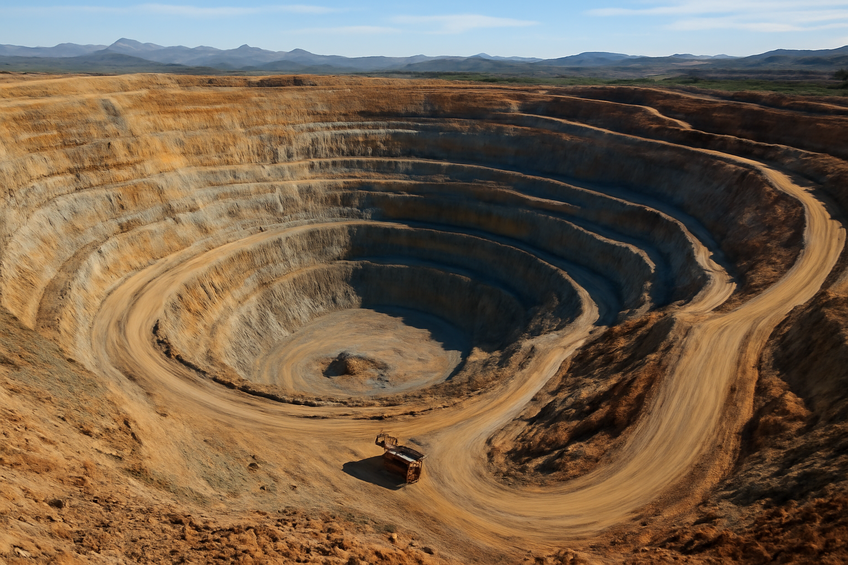
Gold has captivated human civilization for thousands of years, and today, massive industrial operations extract millions of ounces of this precious metal every year. From the highlands of Papua New Guinea to the deserts of Nevada, the world’s biggest gold mines represent extraordinary feats of engineering and geology. In this comprehensive guide, we explore the top 10 biggest gold mines in the world, their annual production figures, and what makes each one remarkable.
Why Gold Mining Still Matters in the Modern World
Despite advances in synthetic materials and digital currencies, gold remains one of the most sought-after commodities on Earth. It plays a critical role in jewelry, electronics, central bank reserves, and investment portfolios. Global gold production typically ranges between 3,000 and 3,500 metric tons per year, with a handful of mega-mines accounting for a significant portion of that output.
Top 10 Biggest Gold Mines in the World
1. Muruntau Gold Mine – Uzbekistan
The Muruntau Gold Mine in Uzbekistan is widely considered the largest open-pit gold mine in the world. Located in the Kyzylkum Desert, this enormous operation produces approximately 2 million ounces (around 62 metric tons) of gold per year. The mine is operated by Navoi Mining and Metallurgical Combinat (NMMC) and has been in operation since 1967. The pit stretches over 3.5 kilometers in length and reaches depths of more than 600 meters, making it a truly staggering industrial achievement.
2. Carlin Trend – Nevada, USA
The Carlin Trend in Nevada is not a single mine but rather a collection of gold deposits stretching over 90 kilometers. Operated primarily by Nevada Gold Mines (a joint venture between Barrick Gold and Newmont), this region produces approximately 3 to 3.5 million ounces of gold annually, making it one of the most productive gold-producing regions on the planet. The Carlin Trend has been a cornerstone of American gold production since the 1960s.
3. Grasberg Mine – Papua, Indonesia
The Grasberg Mine, operated by Freeport-McMoRan and PT Indonesia Asahan Aluminium (Inalum), is one of the largest gold and copper mines in the world. Located in the remote highlands of Papua, Indonesia, it sits at an elevation of over 4,000 meters. Grasberg produces approximately 1.5 to 2 million ounces of gold per year, along with enormous quantities of copper. The mine transitioned from open-pit to underground operations in recent years, which has influenced its annual output.
Advertisement
4. Olimpiada Gold Mine – Krasnoyarsk, Russia
The Olimpiada Mine in the Krasnoyarsk region of Siberia is operated by Polyus, Russia’s largest gold producer. It consistently ranks among the top gold mines globally, producing approximately 1.5 million ounces per year. The mine benefits from one of the largest gold ore reserves in the world, ensuring its continued significance for decades to come. Olimpiada’s deposits are primarily found in carbonate rock formations, making extraction technically complex but highly rewarding.
5. Pueblo Viejo Mine – Dominican Republic
Located in the Sánchez Ramírez Province, the Pueblo Viejo Mine is jointly owned by Barrick Gold (60%) and Newmont (40%). It is one of the most important gold mines in the Caribbean and Latin America. The mine produces approximately 800,000 to 1 million ounces of gold annually. Barrick has invested significantly in expanding the mine’s operations and tailings storage facilities to extend its lifespan well into the 2040s.
6. Lihir Gold Mine – Papua New Guinea
The Lihir Gold Mine, operated by Newcrest Mining, is situated on Lihir Island in Papua New Guinea. It is one of the largest gold deposits in the world and produces approximately 900,000 to 1 million ounces of gold per year. What makes Lihir unique is that the ore body is geothermally active, requiring continuous cooling and water management. Despite these challenges, the mine remains a high-value asset with significant remaining reserves.
7. Boddington Gold Mine – Western Australia
The Boddington Gold Mine in Western Australia is the largest gold mine in Australia by production. Operated by Newmont, it produces approximately 700,000 to 800,000 ounces of gold annually, along with copper as a byproduct. The mine uses large-scale open-pit mining techniques and benefits from excellent infrastructure in Western Australia’s established mining corridor. Boddington’s ore reserves are substantial, supporting continued production for many years.
8. Kibali Gold Mine – Democratic Republic of Congo
The Kibali Gold Mine, located in the northeastern Democratic Republic of Congo, is one of Africa’s largest gold mines. It is operated by Barrick Gold (45%) in a joint venture with AngloGold Ashanti and Sokimo, a Congolese state mining company. Kibali produces approximately 700,000 to 800,000 ounces per year and is noteworthy for its hydroelectric power generation, which makes it one of the most energy-efficient large-scale gold operations in the world.
Advertisement
9. Cortez Mine – Nevada, USA
Another Nevada gem, the Cortez Mine is operated by Nevada Gold Mines and is part of the broader Barrick-Newmont joint venture. Located in Lander and Eureka counties, Cortez produces approximately 700,000 to 900,000 ounces of gold annually. The mine combines both open-pit and underground mining methods to extract gold from the Pipeline and Cortez Hills deposits. It is a vital contributor to the United States’ overall gold production figures.
10. Veladero Mine – San Juan, Argentina
Rounding out our list is the Veladero Mine in the San Juan Province of Argentina, operated by Barrick Gold. Situated high in the Andes Mountains at altitudes exceeding 4,000 meters, Veladero is one of South America’s premier gold operations. The mine produces approximately 500,000 to 600,000 ounces of gold per year. Extreme altitude and harsh weather conditions make operations challenging, but the rich gold-silver ore body makes it economically compelling.
Annual Gold Production Comparison Table
Here is a quick overview of the estimated annual gold production from each of the top 10 mines:
- Muruntau (Uzbekistan): ~2 million oz/year
- Carlin Trend (USA): ~3–3.5 million oz/year
- Grasberg (Indonesia): ~1.5–2 million oz/year
- Olimpiada (Russia): ~1.5 million oz/year
- Pueblo Viejo (Dominican Republic): ~800,000–1 million oz/year
- Lihir (Papua New Guinea): ~900,000–1 million oz/year
- Boddington (Australia): ~700,000–800,000 oz/year
- Kibali (DRC): ~700,000–800,000 oz/year
- Cortez (USA): ~700,000–900,000 oz/year
- Veladero (Argentina): ~500,000–600,000 oz/year
What Factors Determine a Gold Mine’s Production Capacity?
Several key factors influence how much gold a mine can produce in a given year:
Ore Grade
Ore grade refers to the concentration of gold within the rock, typically measured in grams per metric ton (g/t). Higher ore grades generally mean more gold can be extracted from a smaller volume of rock, making mining more cost-efficient. Mines like Muruntau benefit from relatively high ore grades compared to the global average.
Advertisement
Mining Method
The choice between open-pit and underground mining has a major impact on production volumes. Open-pit mines can process vast quantities of ore quickly but require significant land disturbance. Underground mines access deeper, often higher-grade deposits but involve greater operational complexity and cost.
Processing Technology
Advanced gold processing technologies such as carbon-in-leach (CIL), carbon-in-pulp (CIP), and heap leaching allow mines to extract gold more efficiently from different types of ore. Continuous investment in processing infrastructure directly impacts annual production figures.
Reserve Size
A mine’s proven and probable gold reserves determine its long-term production potential. Mines with multi-decade reserve life like Grasberg and Muruntau are considered strategic national assets in their respective countries.
The Environmental Impact of Large-Scale Gold Mining
While these mines generate enormous economic value, they also raise important environmental and social questions. Large-scale gold mining can lead to deforestation, water contamination, displacement of local communities, and significant carbon emissions. Leading mining companies are increasingly investing in sustainable mining practices, including land rehabilitation, water recycling systems, and renewable energy integration to minimize their ecological footprint.
The Economic Importance of the World’s Largest Gold Mines
The world’s biggest gold mines are not just industrial operations — they are economic powerhouses. They create tens of thousands of direct and indirect jobs, generate billions of dollars in tax revenues, and support local infrastructure development. Countries like Uzbekistan, Indonesia, Australia, and the Democratic Republic of Congo rely heavily on gold mining revenues to fund government programs and develop national economies.
Advertisement
Future Trends in Global Gold Mining
The gold mining industry is evolving rapidly. Key trends shaping the future include:
- Deeper underground mining: As surface deposits become depleted, mines are going deeper, requiring new engineering solutions.
- Automation and AI: Autonomous vehicles, drones, and artificial intelligence are improving safety and efficiency at major mining operations.
- Green mining initiatives: Solar and wind power are increasingly being used to reduce the carbon footprint of gold production.
- Gold recycling: Secondary gold from recycled electronics and jewelry is playing a growing role in meeting global demand.
Frequently Asked Questions About the World’s Biggest Gold Mines
Which is the largest gold mine in the world?
The Muruntau Gold Mine in Uzbekistan is considered the largest single open-pit gold mine in the world by size and is among the top producers globally. However, the Carlin Trend in Nevada produces more gold overall as a combined mining district.
Which country has the most gold mines?
China is the world’s largest gold producer overall, with hundreds of smaller mines contributing to its total output. However, individual countries like Uzbekistan, Australia, and the United States are home to some of the largest single mine operations.
How much gold is left in the world to mine?
According to the U.S. Geological Survey (USGS), approximately 50,000 metric tons of gold reserves remain underground worldwide. At current extraction rates, this represents roughly 15 to 20 years of mining, though new discoveries and improved extraction technologies continue to extend these estimates.
What is the most productive gold mine per ounce?
Mines in the Carlin Trend region of Nevada and the Muruntau Mine in Uzbekistan are among the most productive in terms of total annual ounces produced. However, productivity also depends on cost per ounce, where some Australian and Canadian mines rank highly due to operational efficiency.
Advertisement
Conclusion
The top 10 biggest gold mines in the world represent the pinnacle of human ingenuity, geological fortune, and industrial scale. From the sweeping open pits of Uzbekistan to the volcanic island of Lihir in Papua New Guinea, these operations collectively supply a massive portion of the world’s gold demand. As technology advances and environmental standards rise, the gold mining industry will continue to evolve — but the fundamental allure of gold, and the drive to extract it, shows no signs of fading. Whether you are an investor, a geology enthusiast, or simply curious about where your gold jewelry comes from, understanding these extraordinary mines gives you a deeper appreciation of the precious metal’s true journey from the earth to your hands.


