





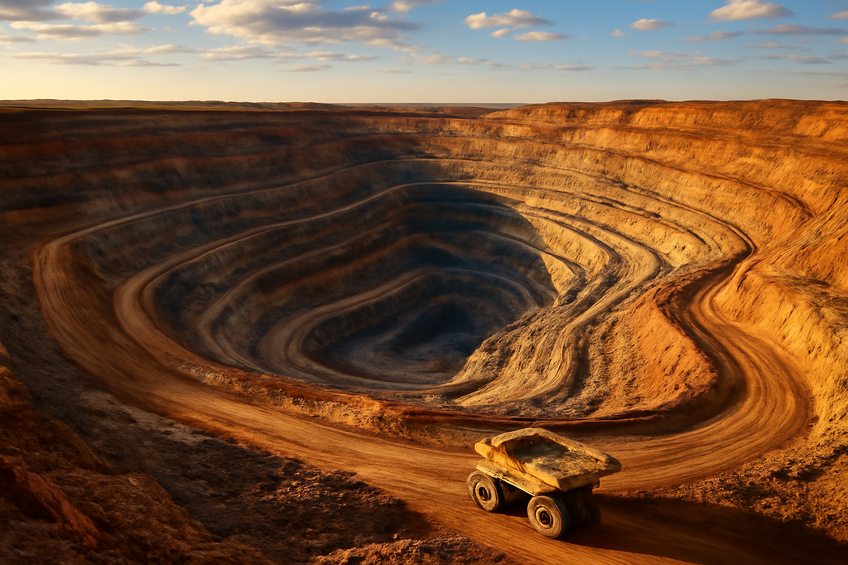
Gold mining remains one of the most lucrative industries on the planet. From the rugged mountains of Nevada to the deep shafts of South Africa, massive gold mines produce millions of ounces of gold every single year. Whether you are an investor, geology enthusiast, or simply curious about where your gold jewelry comes from, understanding the world’s largest gold mines gives you a fascinating look into a trillion-dollar industry. In this post, we break down the top 10 largest gold mines in the world and reveal exactly how much gold they produce annually.
What Makes a Gold Mine “The Largest”?
Before diving into the list, it is important to clarify how gold mines are ranked. A mine can be considered “largest” based on its annual gold production in ounces, its total gold reserves, or its physical size. For this list, we primarily rank mines by their annual production output combined with their proven gold reserves, giving the most accurate picture of their global significance.
Top 10 Largest Gold Mines in the World
1. Muruntau Gold Mine – Uzbekistan
The Muruntau Gold Mine in Uzbekistan holds the title of the largest open-pit gold mine in the world. Operated by Navoi Mining and Metallurgical Company (NMMC), this colossal mine stretches over 3.5 kilometers long and 3 kilometers wide. It produces an estimated 2.6 million ounces of gold per year, making it the single most productive gold mine on Earth. With gold reserves estimated at over 170 million ounces, Muruntau is expected to remain operational for many decades to come.
2. Goldstrike Mine – Nevada, USA
Located in the Carlin Trend of Nevada, the Goldstrike Mine is operated by Barrick Gold Corporation. It is one of the most productive gold mines in North America, producing approximately 1.1 to 1.5 million ounces of gold annually. The mine consists of both open-pit and underground operations, allowing it to extract gold from multiple ore zones simultaneously. Nevada’s favorable mining regulations and rich geology make Goldstrike a cornerstone of American gold production.
3. Grasberg Mine – Papua, Indonesia
The Grasberg Mine, operated by Freeport-McMoRan and PT Indonesia Asahan Aluminium (Inalum), is one of the most well-known mines in the world. Situated high in the mountains of Papua, Indonesia, Grasberg is primarily a copper mine but ranks among the world’s top gold producers, generating approximately 1 to 1.5 million ounces of gold per year. It holds the world’s largest known copper deposit and one of the largest gold deposits, with reserves that continue to support massive production figures.
4. Olimpiada Gold Mine – Siberia, Russia
Deep in the forests of Krasnoyarsk Krai, Siberia, lies the Olimpiada Gold Mine, operated by Polyus Gold. This is Russia’s largest gold mine and one of the most significant in the world, producing around 1.5 million ounces of gold annually. The mine benefits from a high-grade ore body that makes extraction extremely cost-effective. Polyus continues to expand operations at Olimpiada, with new exploration projects expected to boost reserves even further.
5. Pueblo Viejo Mine – Dominican Republic
The Pueblo Viejo Mine is a joint venture between Barrick Gold (60%) and Newmont Corporation (40%). Located in the Dominican Republic, this mine is one of the most important gold operations in the Caribbean and Latin America. It produces roughly 800,000 to 1 million ounces of gold per year. Barrick has invested heavily in expanding the mine’s processing capacity, with plans to significantly increase annual production in the coming years through new infrastructure development.
6. Boddington Gold Mine – Western Australia, Australia
The Boddington Gold Mine, owned and operated by Newmont Corporation, is Australia’s largest gold mine. Located approximately 130 kilometers southeast of Perth, Western Australia, Boddington produces around 700,000 to 800,000 ounces of gold per year. The mine also produces copper as a significant by-product, adding to its overall economic value. Boddington operates as an open-pit mine and is known for its low operating costs relative to its output.
7. Lihir Gold Mine – Papua New Guinea
Situated on Lihir Island in Papua New Guinea, the Lihir Gold Mine is operated by Newcrest Mining. What makes this mine truly unique is its location inside an ancient volcanic crater, where geothermal activity plays a significant role in the mining process. Lihir produces approximately 700,000 to 900,000 ounces of gold annually and holds one of the largest gold ore bodies in the Asia-Pacific region. The mine’s total resource base is estimated at over 30 million ounces of gold.
8. Kibali Gold Mine – Democratic Republic of Congo
The Kibali Gold Mine is located in the northeastern corner of the Democratic Republic of Congo and is operated by Barrick Gold in partnership with AngloGold Ashanti and Société Minière de Kilo-Moto (SOKIMO). Kibali is Africa’s largest gold mine and produces approximately 700,000 to 800,000 ounces of gold per year. The mine operates using both open-pit and underground methods and is powered largely by renewable hydroelectric energy, making it one of the more environmentally conscious large-scale gold operations in the world.
9. Carlin Trend Mines – Nevada, USA
The Carlin Trend in Nevada is not a single mine but rather a belt of gold deposits stretching over 50 miles that collectively forms one of the most productive gold mining regions on Earth. Operated largely by Newmont Corporation and Barrick Gold through their Nevada Gold Mines joint venture, the Carlin Trend mines collectively produce over 3 million ounces of gold per year when counted together. Individual mines within the trend, including the Cortez Mine and Turquoise Ridge, rank among the top gold producers in the United States.
10. Cadia Valley Operations – New South Wales, Australia
The Cadia Valley Operations, owned by Newcrest Mining, is located near Orange in New South Wales, Australia. It is one of Australia’s largest gold-copper mines and one of the lowest-cost gold producers in the world. Cadia produces approximately 700,000 to 800,000 ounces of gold per year alongside significant copper by-products. The mine uses block caving technology deep underground, which allows for highly efficient extraction of ore at a large scale.
How Annual Gold Production Is Measured
Gold production is typically measured in troy ounces, with one troy ounce equaling approximately 31.1 grams. Mines report their annual production figures based on the amount of refined gold extracted and processed during the calendar year. These figures can fluctuate year to year based on factors such as ore grade, equipment availability, commodity prices, and operational expansions or disruptions.
Which Countries Produce the Most Gold?
Based on the largest mines and their locations, here is a quick overview of the top gold-producing countries in the world:
- China – Approximately 370 tonnes per year (world’s largest producer)
- Russia – Approximately 330 tonnes per year
- Australia – Approximately 320 tonnes per year
- Canada – Approximately 200 tonnes per year
- United States – Approximately 170 tonnes per year
- Ghana – Approximately 130 tonnes per year
- Indonesia – Approximately 100 tonnes per year
The Role of Major Mining Companies
The world’s largest gold mines are primarily operated by a handful of powerful multinational mining corporations. Companies like Barrick Gold, Newmont Corporation, AngloGold Ashanti, Polyus Gold, and Newcrest Mining dominate global gold production. These companies invest billions of dollars in exploration, technology, and infrastructure to maintain and grow their output. Their decisions about mine expansion, mergers, and new project development have a significant impact on global gold supply and prices.
Environmental and Social Impact of Large-Scale Gold Mining
While gold mining generates enormous economic value, it also raises important environmental and social concerns. Large open-pit mines can displace local communities, alter ecosystems, and generate significant volumes of waste rock and tailings. Many of the world’s largest gold mines have faced criticism from environmental groups and local populations. In response, major operators have invested in sustainable mining practices, including water recycling systems, land rehabilitation programs, and community development initiatives. The push toward responsible sourcing has also led to the growth of certified ethical gold programs.
Future of the World’s Largest Gold Mines
The global demand for gold continues to grow, driven by jewelry demand, central bank purchases, investment instruments like gold ETFs, and the expanding use of gold in electronics and technology. As existing deposits are gradually depleted, mining companies are investing heavily in deep underground mining technologies and exploring new frontiers in regions like West Africa, Central Asia, and South America. Innovations in ore processing, automation, and artificial intelligence are also helping mines extract gold more efficiently and at lower environmental costs.
Frequently Asked Questions About the World’s Largest Gold Mines
What is the largest gold mine in the world?
The Muruntau Gold Mine in Uzbekistan is widely considered the largest gold mine in the world by both physical size and annual production, producing approximately 2.6 million ounces of gold per year.
Which country has the most gold mines?
China has the highest number of operational gold mines and is the world’s leading gold producer by annual output. Australia and Russia also have a very high concentration of major gold mining operations.
How much gold is left in the world to mine?
According to estimates from the United States Geological Survey (USGS), approximately 50,000 tonnes of gold reserves remain in the ground worldwide. At current production rates, this could last for another 20 to 30 years, though new discoveries and improved extraction technologies could extend this significantly.
Is gold mining profitable in 2024?
Yes, gold mining remains highly profitable in 2024, especially with gold prices trading at near record highs. Higher gold prices increase profit margins for mining companies and make previously uneconomic deposits viable for extraction.
Conclusion
The world’s largest gold mines are extraordinary feats of engineering, geology, and human effort. From the vast open pit of Muruntau in Uzbekistan to the underground networks of Kibali in the Democratic Republic of Congo, these operations collectively supply a significant portion of the world’s gold supply. As demand for gold continues to grow and technology advances, the future of large-scale gold mining looks set to remain a vital part of the global economy for generations to come. Whether you are tracking gold investments or simply fascinated by the scale of these operations, understanding these mines gives you valuable insight into the forces shaping the global gold market.


