





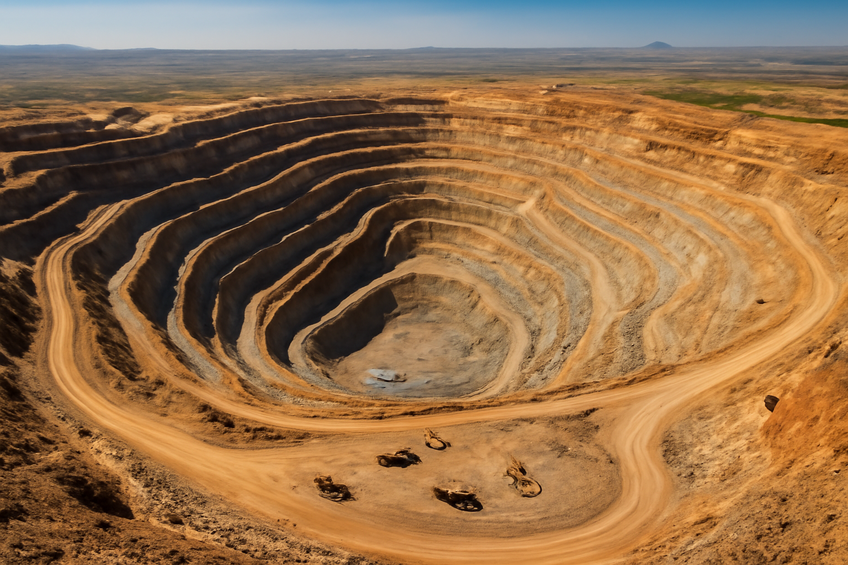
Gold has fascinated humanity for thousands of years, and today, mining operations extract millions of ounces of this precious metal annually from some of the most remarkable geological formations on Earth. Whether you’re an investor tracking gold production trends or simply curious about where the world’s gold comes from, understanding the largest gold mines in operation today gives valuable insight into global supply chains, economic powerhouses, and the sheer scale of modern mining technology. In this comprehensive guide, we break down the top 10 largest gold mines in the world and their annual production figures.
Why Gold Mining Scale Matters
The size and output of a gold mine directly influence global gold prices, national economies, and investment portfolios worldwide. Countries with large-scale gold production often rely on mining revenues for significant portions of their GDP. Understanding annual production figures helps investors, economists, and enthusiasts gauge market supply and anticipate price movements in the precious metals sector.
Top 10 Largest Gold Mines in the World
1. Muruntau Gold Mine – Uzbekistan
The Muruntau Gold Mine in Uzbekistan is widely regarded as the largest open-pit gold mine in the world. Located in the Qizilqum Desert, this massive operation is owned and operated by Navoi Mining and Metallurgy Combinat (NMMC). The mine produces an estimated 2.6 to 3 million ounces of gold per year, making it an unrivaled giant in global gold production. The open-pit stretches over 3.5 kilometers in length and reaches depths of more than 600 meters.
2. Grasberg Mine – Indonesia
Operated by Freeport-McMoRan and PT Indonesia Asahan Aluminium (Inalum), the Grasberg Mine in Papua, Indonesia, is one of the most productive gold mines on the planet. It is also the world’s largest copper mine, making it a dual-commodity powerhouse. Annual gold production at Grasberg reaches approximately 1.5 to 2 million ounces. The mine sits at an altitude of over 4,000 meters in the Sudirman Mountain Range, presenting extraordinary logistical challenges.
3. Olimpiada Gold Mine – Russia
Located in the Krasnoyarsk region of Siberia, the Olimpiada Gold Mine is operated by Polyus, Russia’s largest gold producer. This mine produces approximately 1.5 million ounces of gold annually and holds some of the largest gold reserves in the world. The Olimpiada deposit is primarily a heap-leach and bio-oxidation operation, utilizing cutting-edge extraction technology to process refractory ore.
4. Pueblo Viejo Mine – Dominican Republic
Jointly owned by Barrick Gold and Newmont Corporation, the Pueblo Viejo Mine is one of the most significant gold operations in Latin America. Located in the Sánchez Ramírez Province, it produces approximately 800,000 to 1 million ounces of gold per year. Barrick has committed to major expansion projects at Pueblo Viejo to extend the mine’s life well beyond 2040 and significantly increase annual output.
5. Lihir Gold Mine – Papua New Guinea
The Lihir Gold Mine, operated by Newcrest Mining, is located on Lihir Island in Papua New Guinea. What makes this mine extraordinary is its unique geological setting — it sits within an ancient volcanic crater. Annual production stands at approximately 900,000 to 1 million ounces. Newcrest has been investing heavily in expanding operations, with plans to significantly boost output in coming years. The mine contains one of the largest gold deposits ever discovered.
6. Carlin Trend – Nevada, USA
The Carlin Trend in Nevada is not a single mine but a collection of gold deposits and mining operations spread across a 40-mile belt in Elko and Eureka counties. Operated largely by Newmont, this district collectively produces over 1.5 million ounces annually, making it one of the most productive gold-producing regions in the United States and the entire world. The Carlin-type gold deposits are known for their invisible gold locked within sedimentary rock formations.
7. Cortez Mine – Nevada, USA
Also operated by Barrick Gold in Nevada, the Cortez Mine is one of North America’s most significant gold producers. Annual production averages approximately 800,000 to 1 million ounces. Cortez encompasses both open-pit and underground mining operations, with the Pipeline and Crossroads deposits being the primary sources. Nevada’s favorable mining regulations and infrastructure make Cortez a cost-efficient and highly productive operation.
8. Kibali Gold Mine – Democratic Republic of Congo
The Kibali Gold Mine, jointly operated by Barrick Gold and AngloGold Ashanti, is one of Africa’s largest and most modern gold mining operations. Located in the northeastern corner of the Democratic Republic of Congo, Kibali produces approximately 700,000 to 800,000 ounces annually. The mine is renowned for its sustainable energy solutions, being powered almost entirely by three hydroelectric plants, making it one of the greenest large-scale gold operations in the world.
9. Boddington Gold Mine – Western Australia
The Boddington Gold Mine, operated by Newmont, is Australia’s largest gold mine and one of the most significant operations in the Asia-Pacific region. Located approximately 130 kilometers southeast of Perth, Boddington produces around 700,000 to 800,000 ounces of gold per year along with significant quantities of copper. The open-pit operation benefits from Australia’s advanced mining infrastructure and skilled workforce.
10. Goldstrike Mine – Nevada, USA
Another standout operation in Nevada’s prolific gold belt, the Goldstrike Mine is operated by Barrick Gold and produces approximately 600,000 to 800,000 ounces annually. Comprising both the Betze-Post open pit and the Meikle and Rodeo underground mines, Goldstrike has been one of the most productive gold operations in North America for decades. The mine’s autoclave processing facilities allow it to treat highly refractory ore efficiently.
Which Countries Produce the Most Gold?
Based on the locations of these top gold mines, it’s clear that gold production is geographically diverse. The leading gold-producing countries include:
- China – Consistently the world’s top gold producer with over 300 tonnes annually
- Russia – A major producer driven by Siberian operations like Olimpiada
- Australia – Home to major operations including Boddington
- United States – Nevada remains North America’s gold capital
- Canada – Multiple large operations across Ontario and Quebec
- Indonesia – Grasberg alone places it among the top global producers
How Is Gold Production Measured?
Gold production is typically measured in troy ounces, with one troy ounce equaling approximately 31.1 grams. Large mining operations often report production in thousands or millions of ounces per year. Some reports use metric tonnes, where one metric tonne equals approximately 32,150 troy ounces. Understanding these measurements helps investors accurately compare mine outputs and evaluate the significance of production reports.
The Role of Technology in Modern Gold Mining
The sheer scale of the world’s largest gold mines would be impossible without modern technological advancements. Today’s mining operations utilize:
- Autonomous haul trucks capable of moving hundreds of tonnes of ore per trip
- Advanced heap leaching and bio-oxidation techniques to process low-grade refractory ores
- GPS-guided drilling systems for precise ore body targeting
- Renewable energy integration to reduce carbon footprints at remote locations
- AI and machine learning for predictive maintenance and ore grade optimization
These technologies not only increase production efficiency but also help mining companies reduce operational costs and minimize environmental impact.
Environmental and Social Considerations
Large-scale gold mining operations inevitably raise important environmental and social questions. Responsible mining companies are increasingly focused on:
- Reducing water consumption and managing tailings responsibly
- Rehabilitating mined land after operations cease
- Supporting local communities through employment and infrastructure development
- Reducing greenhouse gas emissions through renewable energy adoption
- Adhering to international environmental standards such as the World Gold Council’s Responsible Gold Mining Principles
Mines like Kibali in the DRC serve as positive examples of how large gold operations can integrate sustainability into their core business model.
Gold Production Trends and Future Outlook
Global gold production has remained relatively stable over the past decade, hovering around 3,000 to 3,600 metric tonnes annually. However, industry analysts note several important trends:
- Declining ore grades at many established mines are making extraction more costly
- Increased exploration activity in underexplored regions like West Africa and Central Asia
- Mergers and acquisitions among major producers are consolidating global output
- Rising operational costs are pushing mining companies to invest in automation
- Geopolitical risks in key producing regions can disrupt supply chains
Despite these challenges, demand for gold remains robust, driven by jewelry consumption, central bank purchases, and investment demand in the form of ETFs and bullion.
Frequently Asked Questions About the World’s Largest Gold Mines
What is the single largest gold mine in the world?
The Muruntau Gold Mine in Uzbekistan is widely considered the largest gold mine in the world by both reserve size and annual production, yielding approximately 2.6 to 3 million ounces per year.
Which company owns the most gold mines globally?
Barrick Gold Corporation and Newmont Corporation are the two largest gold mining companies in the world by production volume and asset portfolio, each operating multiple mines across multiple continents.
How long do the world’s largest gold mines typically operate?
The operational lifespan of a large gold mine varies depending on reserve size and economic viability. Major mines like Grasberg and Lihir have projected lifespans of several decades, with some operations exceeding 50 years of continuous production.
Is gold mining profitable despite high operating costs?
Yes, for large-scale operations with significant reserves, gold mining remains highly profitable, especially during periods of elevated gold prices. Many of the world’s largest mines operate with all-in sustaining costs (AISC) well below the prevailing market gold price, ensuring healthy profit margins.
Final Thoughts on the World’s Largest Gold Mines
The world’s largest gold mines represent extraordinary feats of engineering, geology, and human enterprise. From the vast open pits of Uzbekistan’s Muruntau to the hydroelectric-powered operations deep in the Congo rainforest, these mines collectively supply the gold that underpins global financial systems, adorns billions of people, and powers countless industrial applications. As technology advances and new deposits are discovered, the landscape of global gold production will continue to evolve, but these current giants will remain central to the story of gold for decades to come.
Whether you’re an investor, a mining professional, or simply a curious reader, staying informed about the world’s top gold-producing operations gives you a clearer picture of one of humanity’s most enduring resources and the industry that brings it to light.


