





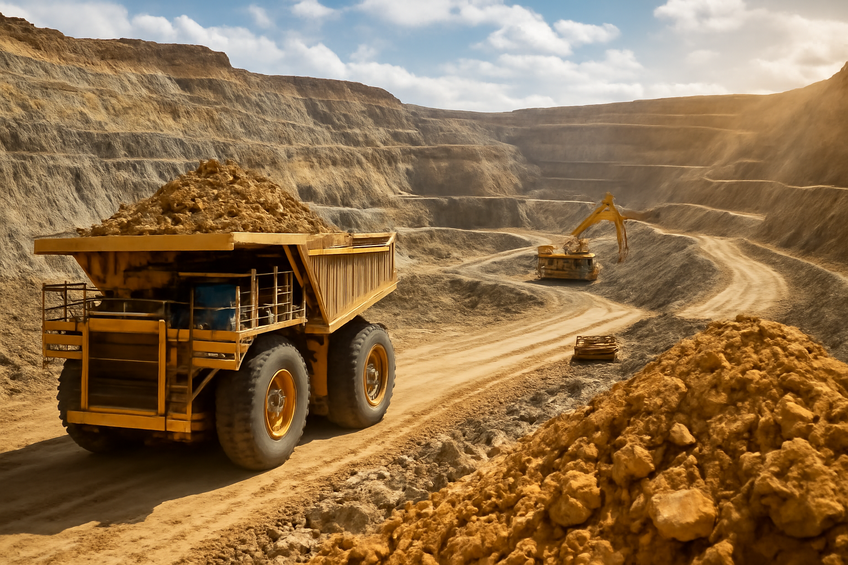
Gold has fascinated humanity for thousands of years, and today, massive mining operations extract millions of ounces of this precious metal from the earth every year. From the highlands of Papua New Guinea to the deserts of Nevada, the world’s biggest gold mines are engineering marvels that shape global gold supply. In this post, we explore the top 10 biggest gold mines in the world, their annual production figures, and what makes each one remarkable.
Why Gold Mining Still Matters in the Modern World
Despite the rise of digital assets and modern investment tools, gold remains one of the most sought-after commodities on the planet. It is used in jewelry, electronics, central bank reserves, and as a hedge against inflation. The global gold mining industry produces approximately 3,000 to 3,500 metric tons of gold per year, and a handful of mega-mines are responsible for a significant portion of that output.
Top 10 Biggest Gold Mines in the World
1. Muruntau Gold Mine – Uzbekistan
The Muruntau Gold Mine in Uzbekistan is widely considered the largest open-pit gold mine in the world. Located in the Kyzylkum Desert, this massive operation is owned by Navoi Mining and Metallurgy Combinat (NMMC). It spans over 3.5 kilometers in length and produces an estimated 2 million ounces of gold per year, making it the single largest producing gold mine globally. Muruntau has been in operation since the 1960s and still holds enormous reserves.
2. Goldstrike Mine – Nevada, USA
Operated by Barrick Gold, the Goldstrike Mine is located in Elko County, Nevada, and is one of the most productive gold mines in North America. This underground and open-pit operation produces approximately 700,000 to 900,000 ounces of gold annually. The Carlin Trend in Nevada, where Goldstrike is located, is one of the most significant gold-producing regions in the United States.
3. Grasberg Mine – Papua, Indonesia
The Grasberg Mine, operated by PT Freeport Indonesia (a subsidiary of Freeport-McMoRan), is not only one of the world’s largest gold mines but also the largest copper mine globally. Situated high in the mountains of Papua, Indonesia, it produces around 1 million ounces of gold per year. The mine has transitioned largely to underground operations, extending its production life well into the future. Grasberg is truly a titan of the global mining industry.
Advertisement
4. Olimpiada Gold Mine – Russia
Located in the Krasnoyarsk region of Siberia, the Olimpiada Gold Mine is owned and operated by Polyus Gold, Russia’s largest gold producer. The mine produces approximately 1.5 million ounces of gold annually and is one of the top-producing gold mines in the world. Its ore reserves are among the largest globally, ensuring long-term production for decades to come.
5. Pueblo Viejo Mine – Dominican Republic
The Pueblo Viejo Mine is a joint venture between Barrick Gold (60%) and Newmont (40%), located in the Sánchez Ramírez Province of the Dominican Republic. It is one of the most significant gold mines in Latin America, producing around 800,000 to 1 million ounces of gold per year. An ongoing expansion project aims to extend the mine’s life and increase annual output significantly.
6. Lihir Gold Mine – Papua New Guinea
Owned by Newcrest Mining, the Lihir Gold Mine is located on Lihir Island in Papua New Guinea. Built on an active volcano, this unique mine uses geothermal energy for some of its operations. Lihir produces approximately 900,000 ounces of gold per year and holds one of the largest gold ore reserves in the world. Despite the logistical challenges of its island location, Lihir remains a top global producer.
7. Carlin Mine – Nevada, USA
Also located along the famous Carlin Trend in Nevada, the Carlin Mine is operated by Nevada Gold Mines, a joint venture between Barrick Gold and Newmont. As part of a larger complex of mines in the region, the Carlin operations collectively produce over 1 million ounces of gold per year. The Carlin-type gold deposits are unique to Nevada and represent a major contribution to the United States’ gold output.
8. Kibali Gold Mine – Democratic Republic of Congo
The Kibali Gold Mine is located in the northeastern Democratic Republic of Congo and is operated by Barrick Gold (45%) in partnership with AngloGold Ashanti and Sokimo. It is the largest gold mine in Africa by production, generating approximately 750,000 to 800,000 ounces of gold annually. Kibali features an impressive hydroelectric power system that makes it one of the most energy-efficient gold mines in Africa.
Advertisement
9. Boddington Gold Mine – Western Australia, Australia
The Boddington Gold Mine, owned and operated by Newmont, is the largest gold mine in Australia by annual production. Located in the Boddington district of Western Australia, it produces approximately 700,000 to 750,000 ounces of gold per year. The mine is an open-pit operation and also produces a significant amount of copper as a byproduct. Boddington is a cornerstone asset in Newmont’s global portfolio.
10. Cortez Mine – Nevada, USA
Rounding out our list is the Cortez Mine, operated by Nevada Gold Mines (Barrick Gold) in Lander County, Nevada. Cortez is one of the most important gold mines in the United States, with annual production of approximately 700,000 to 800,000 ounces. The mine includes both open-pit and underground operations and continues to be one of the highest-grade gold deposits in North America.
Annual Gold Production Comparison Table
Here is a quick overview of the estimated annual gold production from the top 10 biggest gold mines in the world:
- Muruntau (Uzbekistan) – ~2,000,000 oz/year
- Olimpiada (Russia) – ~1,500,000 oz/year
- Grasberg (Indonesia) – ~1,000,000 oz/year
- Carlin Complex (USA) – ~1,000,000 oz/year
- Pueblo Viejo (Dominican Republic) – ~900,000 oz/year
- Lihir (Papua New Guinea) – ~900,000 oz/year
- Goldstrike (USA) – ~800,000 oz/year
- Kibali (DRC) – ~780,000 oz/year
- Cortez (USA) – ~750,000 oz/year
- Boddington (Australia) – ~720,000 oz/year
Which Countries Dominate Gold Mining?
Based on the list above, it is clear that a few key countries dominate the global gold mining landscape. The United States, Russia, Indonesia, and Australia are home to some of the most productive gold mines in the world. Emerging regions like the Democratic Republic of Congo and Papua New Guinea are also becoming increasingly important players in global gold production.
China, although not featured with a single mega-mine on this list, is actually the world’s largest gold-producing country overall, due to its large number of medium-sized operations spread across the country.
Advertisement
The Future of Large-Scale Gold Mining
As easily accessible gold deposits become harder to find, mining companies are investing heavily in deep underground mining technologies, automated equipment, and sustainable mining practices. Several mines on this list are already transitioning from open-pit to underground operations to access deeper ore bodies.
Environmental sustainability is also a growing concern. Modern gold mines are increasingly adopting renewable energy sources, water recycling systems, and responsible waste management to reduce their ecological footprint. Organizations like the World Gold Council are pushing for higher environmental and social governance (ESG) standards across the industry.
Key Takeaways About the World’s Biggest Gold Mines
- The Muruntau Mine in Uzbekistan is the single largest gold-producing mine in the world by annual output.
- Nevada, USA is home to multiple top-producing gold mines due to the rich Carlin Trend deposits.
- Barrick Gold and Newmont are the two mining giants that operate many of the world’s largest gold mines.
- Africa and Southeast Asia are emerging as critical regions for future gold production growth.
- Annual production from the top 10 mines alone accounts for a substantial share of the world’s total gold supply.
Final Thoughts
The world’s biggest gold mines are not just holes in the ground — they are complex industrial operations that employ tens of thousands of people and contribute billions of dollars to national economies. Whether you are an investor tracking gold supply trends, a geology enthusiast, or simply curious about where your gold jewelry comes from, understanding the scale of these operations offers a fascinating glimpse into the backbone of the global gold market.
As demand for gold continues to grow — driven by technology, investment, and cultural significance — these mega-mines will remain at the heart of the world’s most enduring precious metal industry for decades to come.
Advertisement


