





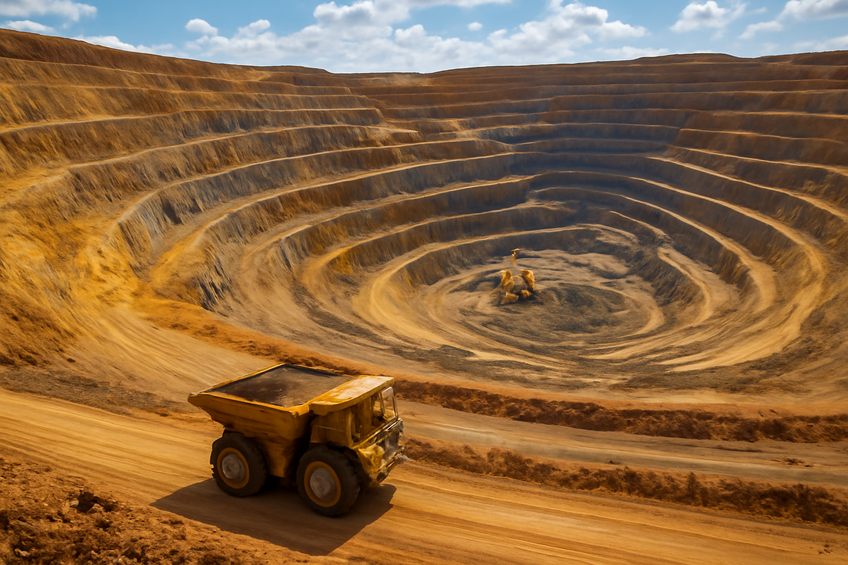
Gold has fascinated humanity for thousands of years, and today, massive mining operations extract millions of ounces of this precious metal from the earth every year. From the highlands of Papua New Guinea to the deserts of Nevada, the world’s biggest gold mines are engineering marvels that power economies and shape global gold supply. In this post, we explore the top 10 biggest gold mines in the world, their annual production figures, and what makes each one extraordinary.
Why Gold Mining Still Matters in 2024
Despite advances in recycling and above-ground gold reserves, mining remains the primary source of new gold supply worldwide. Global gold mine production hovers around 3,000 to 3,500 metric tons per year, with a handful of giant mines contributing a significant portion of that output. Understanding where gold comes from helps investors, geologists, and enthusiasts better appreciate the complexity behind every gold bar and piece of jewelry.
Top 10 Biggest Gold Mines in the World
1. Muruntau Gold Mine – Uzbekistan
The Muruntau Gold Mine in Uzbekistan is widely regarded as the largest gold mine in the world by reserve size and annual production. Located in the Kyzylkum Desert, this open-pit mine produces approximately 2 million ounces of gold per year. Operated by Navoi Mining and Metallurgical Company (NMMC), Muruntau has been in operation since 1967 and continues to be a dominant force in global gold production. The mine’s massive pit stretches over 3.5 kilometers long and 2.5 kilometers wide.
2. Carlin Trend – Nevada, USA
The Carlin Trend in Nevada is not a single mine but a series of gold deposits stretching over 80 kilometers, making it one of the most prolific gold-producing regions in the world. Operated primarily by Nevada Gold Mines, a joint venture between Barrick Gold and Newmont, the Carlin Trend collectively produces over 1.5 million ounces of gold annually. The region has produced more than 80 million ounces since its discovery in the 1960s.
3. Grasberg Mine – Papua, Indonesia
The Grasberg Mine, operated by PT Freeport Indonesia, is one of the largest gold and copper mines in the world. Located high in the mountains of Papua, Indonesia, it sits at an elevation of over 4,200 meters above sea level. The mine produces approximately 1.2 to 1.5 million ounces of gold per year, along with enormous quantities of copper. Grasberg has proven reserves that will keep it operational for decades to come.
4. Olimpiada Gold Mine – Siberia, Russia
Located in the Krasnoyarsk region of Siberia, the Olimpiada Gold Mine is Russia’s largest gold-producing operation, owned by Polyus Gold. The mine produces around 1.5 million ounces of gold annually and holds one of the largest gold reserves in the world. Despite its remote location and harsh climate, Olimpiada remains one of the lowest-cost gold producers globally, giving it a strong competitive advantage.
5. Pueblo Viejo – Dominican Republic
The Pueblo Viejo Mine is a joint venture between Barrick Gold and Newmont, located in the Dominican Republic. It is one of the most significant gold mines in the Americas, producing over 800,000 to 1 million ounces of gold per year. The mine also produces significant amounts of silver and copper. Barrick has invested heavily in expanding its processing capacity to extend the mine’s productive life well into the 2030s.
6. Boddington Gold Mine – Western Australia
The Boddington Gold Mine, owned by Newmont Corporation, is Australia’s largest gold mine. Located approximately 130 kilometers southeast of Perth, it produces around 700,000 to 800,000 ounces of gold per year. In addition to gold, Boddington also produces copper, making it a significant polymetallic operation. The mine uses a combination of open-pit mining and modern processing techniques to maximize recovery rates.
7. Cortez Gold Mine – Nevada, USA
Another major operation in Nevada’s gold belt, the Cortez Gold Mine is operated by Nevada Gold Mines and produces approximately 1 million ounces of gold per year. Cortez benefits from the same geological conditions that make Nevada the most gold-rich state in the United States. The mine includes both open-pit and underground mining operations, tapping into multiple ore bodies to sustain high production levels.
8. Lihir Gold Mine – Papua New Guinea
The Lihir Gold Mine, operated by Newcrest Mining, is located on Lihir Island in Papua New Guinea. What makes this mine unique is that it is built inside an ancient volcanic crater that still contains geothermal activity. The mine produces approximately 700,000 to 1 million ounces of gold per year and holds one of the largest gold reserves in the world, estimated at over 40 million ounces. Managing the geothermal conditions remains one of the mine’s most significant engineering challenges.
9. Kibali Gold Mine – Democratic Republic of Congo
The Kibali Gold Mine, jointly operated by Barrick Gold and AngloGold Ashanti, is the largest gold mine in Africa by production. Located in the northeastern Democratic Republic of Congo, Kibali produces approximately 700,000 to 800,000 ounces of gold per year. The mine features both open-pit and underground operations and has its own hydroelectric power plants, reducing its reliance on external energy sources and lowering operational costs.
10. Yanacocha Mine – Peru
The Yanacocha Gold Mine in northern Peru was once the largest gold mine in South America. Operated by a joint venture between Newmont, Buenaventura, and the International Finance Corporation, it produces around 400,000 to 600,000 ounces of gold per year, though production has declined from its peak of over 3 million ounces annually in the early 2000s. Newmont is currently developing the Sulfides project at Yanacocha to extend the mine’s life and boost future production.
How Is Gold Production Measured?
Gold production is typically measured in troy ounces, where one troy ounce equals approximately 31.1 grams. Large mines report their output in thousands or even millions of troy ounces per year. Production figures can vary significantly depending on ore grades, processing efficiency, equipment availability, and geopolitical factors affecting mining operations.
Key Factors That Make a Gold Mine Productive
Ore Grade
Ore grade refers to the concentration of gold in the rock, typically measured in grams per metric ton (g/t). Higher ore grades generally mean more gold can be extracted from less rock, improving profitability and reducing environmental impact per ounce of gold produced.
Reserve Size
The total gold reserves of a mine determine its potential lifespan and long-term production outlook. Mines with reserves exceeding 10 million ounces are considered world-class deposits and attract significant investment from major mining companies.
Mining Method
Open-pit mining is the most common method for large-scale gold extraction, suited for shallow, wide ore bodies. Underground mining is used when deposits are deep or narrow. Some large mines, like Kibali and Grasberg, use both methods simultaneously to maximize extraction.
Processing Technology
Modern gold mines use techniques such as carbon-in-leach (CIL), carbon-in-pulp (CIP), and heap leaching to extract gold from ore. Advances in processing technology have made it economically viable to mine lower-grade deposits that would have been unprofitable in previous decades.
Top Gold Producing Countries in the World
The countries that host the world’s biggest gold mines are also the leading gold-producing nations. According to the World Gold Council, the top gold-producing countries include:
- China – approximately 370 metric tons per year
- Russia – approximately 330 metric tons per year
- Australia – approximately 310 metric tons per year
- Canada – approximately 200 metric tons per year
- United States – approximately 170 metric tons per year
- Ghana – approximately 130 metric tons per year
- Indonesia – approximately 110 metric tons per year
Environmental and Social Impact of Large-Scale Gold Mining
While gold mines generate enormous economic value, they also come with significant environmental and social responsibilities. Issues such as deforestation, water contamination, carbon emissions, and community displacement are ongoing concerns in the mining industry. Major mining companies are increasingly adopting sustainable practices, including land rehabilitation, water recycling programs, and transparent reporting frameworks such as the World Gold Council’s Responsible Gold Mining Principles.
The Future of Gold Mining
As easily accessible gold deposits become increasingly scarce, the mining industry is turning to deeper underground operations, lower-grade deposits, and innovative technologies to sustain production. Automation, artificial intelligence, and advanced geophysical surveys are transforming how mines are discovered and operated. Additionally, the rising price of gold has made previously uneconomical deposits viable for extraction, opening new frontiers in countries across Africa, South America, and Central Asia.
Frequently Asked Questions About the World’s Biggest Gold Mines
What is the largest gold mine in the world?
The Muruntau Gold Mine in Uzbekistan is considered the largest gold mine in the world, both by reserve size and annual production, producing approximately 2 million ounces of gold per year.
Which country has the most gold mines?
While gold mines exist on every continent, China, Russia, Australia, and the United States have the highest concentration of major gold mining operations by annual output.
How much gold is left in the world to mine?
According to estimates from the United States Geological Survey (USGS), approximately 50,000 metric tons of gold remain in identified reserves worldwide, though advances in exploration and technology may reveal additional deposits in the future.
Who are the biggest gold mining companies in the world?
The world’s largest gold mining companies by production include Newmont Corporation, Barrick Gold, AngloGold Ashanti, Gold Fields, Polyus, and Newcrest Mining. These companies collectively operate many of the top 10 gold mines listed above.
Conclusion
The world’s biggest gold mines are extraordinary achievements of engineering, geology, and human enterprise. From the frozen tundra of Siberia to the tropical highlands of Papua New Guinea, these operations collectively produce millions of ounces of gold each year, supplying markets ranging from jewelry and electronics to central bank reserves and investment products. As the global demand for gold continues, these giant mines will remain central to the world’s supply chain for decades to come. Whether you are an investor tracking gold supply trends or simply fascinated by the scale of modern mining, understanding where the world’s gold comes from is an essential piece of the precious metals puzzle.


