




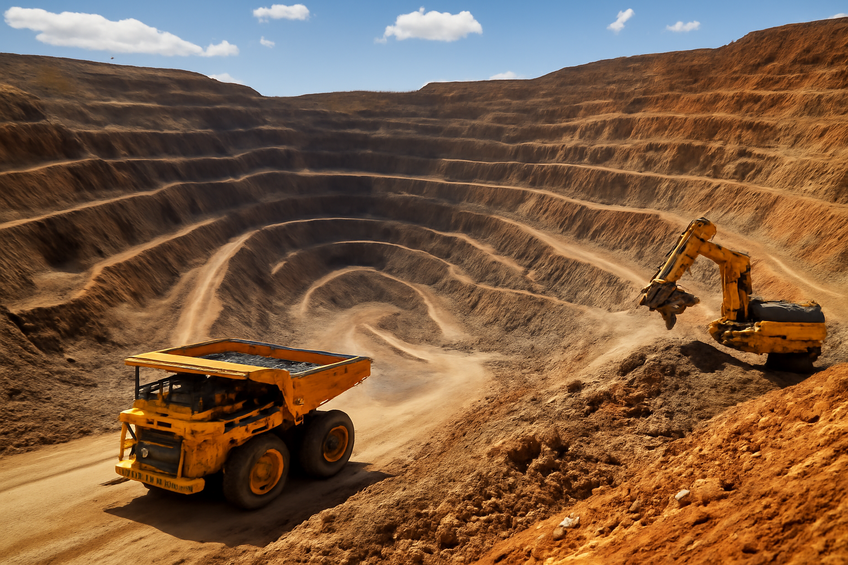
Introduction to the World’s Largest Gold Mining Operations
Gold mining is one of the oldest and most lucrative industries in the world. From ancient civilizations to modern-day corporations, the pursuit of gold has driven exploration, innovation, and economic growth across continents. Today, massive open-pit and underground mines extract millions of ounces of gold annually, powering global economies and meeting the ever-growing demand for this precious metal. In this post, we explore the top 10 biggest gold mines in the world and take a closer look at how they operate.
1. Muruntau Gold Mine – Uzbekistan
The Muruntau Gold Mine in Uzbekistan is widely considered the largest gold mine in the world by reserves and annual production. Located in the Kyzylkum Desert, this open-pit mine has been in operation since 1967 and is managed by Navoi Mining and Metallurgical Combinat (NMMC).
How It Operates
Muruntau uses a combination of open-pit mining techniques and heap leaching to extract gold from low-grade ore. The mine produces over 2 million ounces of gold per year, making it a cornerstone of Uzbekistan’s economy. Giant haul trucks, drilling rigs, and advanced ore processing plants work around the clock to maintain production levels.
2. Carlin Trend – Nevada, USA
The Carlin Trend in Nevada is not a single mine but a series of gold deposits stretching over 40 miles, making it one of the most productive gold-producing regions in the world. Major operators include Nevada Gold Mines, a joint venture between Barrick Gold and Newmont Corporation.
How It Operates
Mining operations in the Carlin Trend use both open-pit and underground methods. The ore is processed using autoclaves and roasters to recover gold from refractory ores. The region produces approximately 3.5 million ounces of gold annually, solidifying its place among the world’s top gold-producing zones.
3. Grasberg Mine – Papua, Indonesia
Operated by PT Freeport Indonesia, the Grasberg Mine is one of the world’s largest gold and copper mines. Situated in the remote highlands of Papua, Indonesia, this mine sits at an elevation of over 4,000 meters above sea level.
How It Operates
Grasberg transitioned from open-pit to underground block caving mining operations. The underground method allows miners to access deeper, high-grade ore bodies safely and efficiently. The mine produces over 1 million ounces of gold per year along with massive quantities of copper concentrate.
4. Olimpiada Gold Mine – Siberia, Russia
Located in the Krasnoyarsk region of Siberia, the Olimpiada Gold Mine is operated by Polyus Gold, Russia’s largest gold producer. It is one of the top gold-producing mines globally.
How It Operates
Olimpiada uses open-pit mining combined with bio-oxidation (BIOX) technology to process refractory sulfide ores. The mine produces approximately 1.5 million ounces of gold annually and continues to expand its reserves through ongoing exploration programs.
5. Pueblo Viejo Mine – Dominican Republic
The Pueblo Viejo Mine, jointly owned by Barrick Gold and Newmont Corporation, is located in the Dominican Republic and is one of the largest gold mines in Latin America.
How It Operates
This mine uses open-pit mining and pressure oxidation technology to treat its refractory ore. Annual gold production exceeds 800,000 ounces, with significant silver production as a by-product. An ongoing expansion project is expected to significantly boost production capacity in the coming years.
6. Lihir Gold Mine – Papua New Guinea
Situated on Lihir Island in Papua New Guinea, the Lihir Gold Mine is operated by Newcrest Mining. It is one of the largest gold deposits in the world with estimated reserves exceeding 30 million ounces.
How It Operates
One of the most unique aspects of the Lihir mine is its geothermal setting. The mine uses a seawater dewatering system to manage the naturally hot and water-rich environment. Ore is processed through pressure oxidation circuits, producing approximately 900,000 ounces of gold per year.
7. Kibali Gold Mine – Democratic Republic of Congo
The Kibali Gold Mine, located in northeastern Democratic Republic of Congo (DRC), is a joint venture operated by Barrick Gold and AngloGold Ashanti. It is Africa’s largest gold mine.
How It Operates
Kibali operates as both an open-pit and underground mine. It is powered largely by three hydroelectric power stations built specifically for the operation, making it one of the most sustainable large-scale gold mines in the world. Annual production is approximately 800,000 ounces of gold.
8. Cadia Valley Operations – New South Wales, Australia
Owned and operated by Newcrest Mining, the Cadia Valley Operations in New South Wales, Australia, is one of the largest gold mines in the Southern Hemisphere. The site includes multiple deposits, with Cadia East being the most significant.
How It Operates
Cadia East uses panel cave underground mining technology, one of the most cost-effective large-scale mining methods available. The mine produces over 700,000 ounces of gold per year alongside copper, making it a major contributor to Australia’s gold output.
9. Boddington Gold Mine – Western Australia
The Boddington Gold Mine, located in Western Australia and owned by Newmont Corporation, is Australia’s largest single gold mine. It began production in its current form in 2009 after a major redevelopment of the original operation.
How It Operates
Boddington is an open-pit mine that uses conventional drill-and-blast methods followed by milling and flotation to recover gold and copper. It produces approximately 700,000 to 800,000 ounces of gold annually and employs thousands of workers directly and indirectly.
10. Cortez Mine – Nevada, USA
Also located in Nevada, the Cortez Mine is operated by Nevada Gold Mines (Barrick Gold). The Cortez complex includes several open-pit and underground operations and is one of the most productive gold mines in North America.
How It Operates
Cortez uses both open-pit and underground mining techniques, processing ore through conventional milling and heap leaching facilities. Annual production is approximately 1 million ounces of gold, supported by significant mineral reserves that ensure long-term production sustainability.
How Do the World’s Biggest Gold Mines Operate?
While each mine has its own unique characteristics, the world’s largest gold mines typically follow a similar operational framework that involves several key stages.
Exploration and Reserve Estimation
Before any mining begins, extensive geological surveys and drilling programs are conducted to identify and quantify gold deposits. This stage can take years and involves sophisticated technologies like 3D seismic imaging, geochemical analysis, and core sampling.
Mining Methods Used in Large Gold Mines
The two primary mining methods used in large-scale gold operations are:
- Open-Pit Mining: Used when gold deposits are near the surface. Large quantities of overburden are removed to expose the ore, which is then extracted using heavy machinery.
- Underground Mining: Used for deep deposits, including block caving, cut-and-fill, and longhole stoping methods that allow access to ore at great depths.
Gold Processing and Extraction Techniques
Once ore is extracted, it undergoes processing to recover gold. Common techniques include:
- Cyanide Leaching (CIL/CIP): The most widely used method, dissolving gold from crushed ore using cyanide solution.
- Heap Leaching: Used for low-grade ores, where cyanide solution is dripped over ore piles to dissolve gold.
- Pressure Oxidation (POX): Used for refractory ores where gold is locked within sulfide minerals.
- Bio-Oxidation (BIOX): Uses bacteria to break down sulfide minerals and release trapped gold.
Environmental Management and Sustainability
Modern gold mines are subject to strict environmental regulations. Leading operations invest heavily in tailings management, water recycling, land rehabilitation, and carbon emission reduction. Many of the world’s biggest gold mines are working toward net-zero carbon targets as part of their long-term sustainability strategies.
Key Countries Leading Global Gold Production
The world’s biggest gold mines are spread across several key gold-producing nations. Here are the top gold-producing countries that host these massive operations:
- China – World’s largest gold producer overall
- Australia – Home to multiple world-class mines
- Russia – Major producer with vast Siberian reserves
- United States – Nevada leads North American production
- Canada – Growing gold production across multiple provinces
- Ghana – Africa’s second-largest gold producer
- Indonesia – Home to Grasberg, one of the richest deposits
Economic Impact of Large-Scale Gold Mining
The world’s biggest gold mines play a crucial role in national and global economies. They create thousands of direct and indirect jobs, generate significant government revenues through royalties and taxes, and drive infrastructure development in remote regions. For countries like Uzbekistan, Papua New Guinea, and the Democratic Republic of Congo, gold mining represents a substantial portion of national GDP and export earnings.
Future of the World’s Biggest Gold Mines
As surface gold deposits become increasingly depleted, mining companies are investing in deeper underground operations, advanced processing technologies, and artificial intelligence-driven exploration to discover new reserves. Automation and remote-controlled mining equipment are also transforming how large mines operate, improving safety and efficiency.
The global demand for gold remains robust, driven by jewelry, investment, central bank purchases, and growing industrial applications in electronics and green technologies. This ensures that the world’s largest gold mines will continue to expand, innovate, and play a pivotal role in the global economy for decades to come.
Conclusion
The top 10 biggest gold mines in the world represent extraordinary feats of engineering, geology, and human ingenuity. From the scorching deserts of Uzbekistan to the tropical highlands of Papua New Guinea, these massive operations extract billions of dollars worth of gold every year. Understanding how they operate gives us a deeper appreciation of the complexity behind every gold bar, coin, and piece of jewelry in the world. As technology and sustainability practices continue to evolve, the future of large-scale gold mining looks both promising and transformative.


