





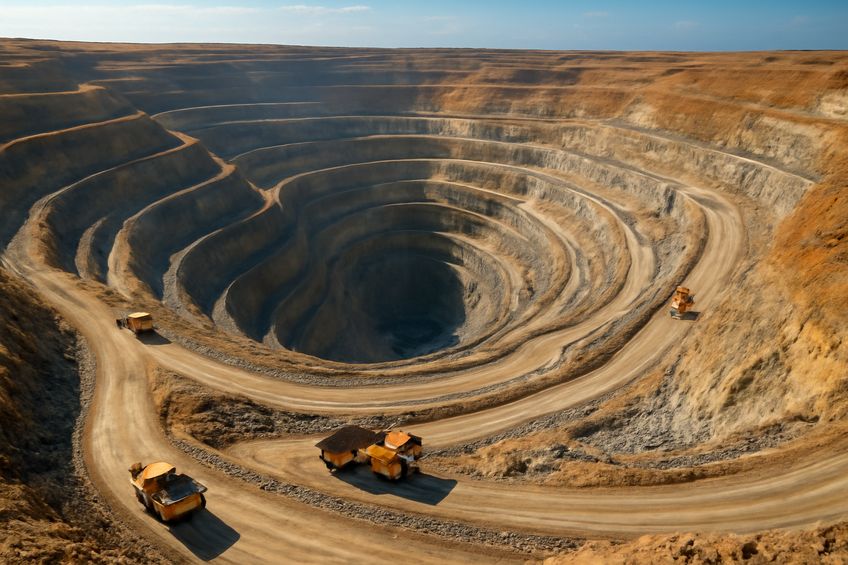
Gold has been one of the most sought-after precious metals throughout human history. Today, massive industrial operations extract millions of ounces of gold annually from some of the most remote and geologically rich locations on Earth. Understanding how the world’s biggest gold mines operate gives us insight into the complex engineering, environmental challenges, and economic impact of modern gold mining. In this guide, we explore the top 10 biggest gold mines in the world, where they are located, how much gold they produce, and the technologies that keep them running.
What Makes a Gold Mine One of the Biggest in the World?
The size of a gold mine is typically measured by its annual gold production, total gold reserves, or the physical scale of its operations. The world’s largest gold mines produce millions of troy ounces per year and often employ thousands of workers. Factors such as ore grade, mining method, and geological formation all play critical roles in determining a mine’s overall output and efficiency.
Top 10 Biggest Gold Mines in the World
1. Muruntau Gold Mine – Uzbekistan
The Muruntau Gold Mine in Uzbekistan is widely considered the largest open-pit gold mine in the world. Located in the Kyzylkum Desert, this massive operation produces over 2 million ounces of gold per year. The mine spans more than 3.5 kilometers in length and over 2 kilometers in depth. Operated by Navoi Mining and Metallurgy Combinat (NMMC), Muruntau uses open-pit mining techniques combined with heap leaching and carbon-in-pulp (CIP) processing to extract gold efficiently from low-grade ore.
2. Carlin Trend – Nevada, USA
The Carlin Trend in Nevada is not a single mine but a collection of gold deposits stretching over 40 miles, making it one of the most prolific gold-producing regions in the world. Operated primarily by Nevada Gold Mines, a joint venture between Barrick Gold and Newmont, the Carlin Trend produces approximately 1.5 to 2 million ounces annually. Mining operations here involve both open-pit and underground methods, with sophisticated autoclave processing used to treat refractory ores.
3. Olimpiada Gold Mine – Russia
Located in the Krasnoyarsk region of Siberia, the Olimpiada Gold Mine is Russia’s largest gold producer and one of the top gold mines globally. Owned by Polyus, Russia’s biggest gold mining company, Olimpiada produces around 1.5 million ounces of gold per year. The mine operates using open-pit methods and processes ore through bio-oxidation technology, which is particularly effective for treating sulfide ores found in this region.
4. Pueblo Viejo – Dominican Republic
The Pueblo Viejo Mine is a joint venture between Barrick Gold (60%) and Newmont (40%). Located in the Sanchez Ramirez Province of the Dominican Republic, this mine produces approximately 800,000 to 1 million ounces of gold annually. Pueblo Viejo uses pressure oxidation (POX) technology to process its complex sulfide ores. It is one of the most modern and technologically advanced gold mines in the Western Hemisphere.
5. Boddington Gold Mine – Australia
The Boddington Gold Mine, located in Western Australia and fully owned by Newmont, is Australia’s largest gold mine. It produces approximately 700,000 to 800,000 ounces of gold per year. Boddington is a large open-pit operation that also produces copper as a by-product. The mine uses conventional drilling, blasting, and milling techniques combined with flotation and CIL (carbon-in-leach) circuits for gold recovery.
6. Grasberg Mine – Indonesia
The Grasberg Mine in Papua, Indonesia, is operated by PT Freeport Indonesia and is one of the world’s largest copper mines, but it also ranks among the top gold producers globally. At its peak, Grasberg produced over 3 million ounces of gold per year, though current output is lower as operations have transitioned from open-pit to underground block caving. The mine sits at an elevation of over 4,000 meters, making it one of the highest-altitude mining operations in the world.
7. Kibali Gold Mine – Democratic Republic of Congo
The Kibali Gold Mine is located in the northeastern Democratic Republic of Congo and is jointly owned by Barrick Gold (45%), AngloGold Ashanti (45%), and Sokimo (10%). Kibali is one of Africa’s largest gold mines, producing approximately 700,000 to 800,000 ounces annually. The operation is unique because it uses a combination of open-pit and underground mining methods and is powered largely by hydroelectric energy, making it one of the more sustainably operated gold mines in Africa.
8. Lihir Gold Mine – Papua New Guinea
The Lihir Gold Mine, owned by Newcrest Mining, is situated on Lihir Island in Papua New Guinea. This remarkable mine is built inside an extinct volcanic crater, which presents unique geothermal challenges. Despite this, Lihir produces approximately 700,000 ounces of gold per year. The mine uses pressure oxidation to treat its refractory ore and employs specialized cooling and water management systems to deal with the geothermal heat from the volcanic environment.
9. Cortez Gold Mine – Nevada, USA
Also part of the Nevada Gold Mines complex, the Cortez Mine is one of the most significant gold-producing operations in the United States. Located in Lander and Eureka counties of Nevada, Cortez produces approximately 800,000 to 1 million ounces of gold annually. The mine uses both open-pit and underground mining methods, with ore processed through heap leaching and roaster facilities to maximize gold recovery from its refractory ore bodies.
10. Ahafo Gold Mine – Ghana
The Ahafo Gold Mine, operated by Newmont in the Brong-Ahafo region of Ghana, is one of West Africa’s premier gold mining operations. It produces approximately 500,000 to 700,000 ounces of gold per year. Ahafo uses open-pit mining methods and a conventional carbon-in-leach processing plant. Newmont has invested significantly in community development programs and environmental management at this site, setting a benchmark for responsible mining in Africa.
How Do the World’s Biggest Gold Mines Operate?
Open-Pit Mining
Open-pit mining is the most common method used in large-scale gold mining operations. It involves removing large quantities of surface material (overburden) to expose the ore beneath. Massive excavators, haul trucks, and drilling equipment are used to extract ore, which is then transported to processing facilities. This method is cost-effective for large, low-grade ore deposits that are close to the surface.
Underground Mining
When gold deposits are located deep underground, underground mining techniques such as block caving, sub-level stoping, and cut-and-fill methods are employed. These techniques require extensive tunneling infrastructure, ventilation systems, and specialized machinery. Underground mining is typically used when ore grades are higher and warrant the additional cost of deeper extraction.
Gold Processing and Extraction Techniques
Once ore is extracted, it goes through several processing stages. The most common techniques include:
- Carbon-in-Leach (CIL) and Carbon-in-Pulp (CIP): Gold is dissolved using cyanide solution and then adsorbed onto activated carbon particles for recovery.
- Heap Leaching: Crushed ore is stacked in large piles and irrigated with cyanide solution, which percolates through and dissolves the gold.
- Pressure Oxidation (POX): Used for refractory ores where gold is locked within sulfide minerals. High pressure and temperature are used to oxidize the sulfides before leaching.
- Bio-oxidation (BIOX): Bacteria are used to oxidize sulfide minerals, freeing the gold for subsequent leaching.
Technology and Innovation in Modern Gold Mining
The world’s biggest gold mines are increasingly adopting advanced technologies to improve efficiency, safety, and environmental performance. Autonomous haul trucks, drone surveying, real-time ore grade monitoring, and artificial intelligence-driven geological modeling are becoming standard in leading operations. These innovations help reduce costs, improve ore recovery rates, and minimize the environmental footprint of large-scale mining.
Environmental and Social Impact of Large Gold Mines
Large gold mining operations have significant environmental and social impacts that must be carefully managed. Issues such as land disturbance, water usage, tailings management, and carbon emissions are critical concerns. Leading mining companies invest heavily in environmental rehabilitation, water recycling systems, and community development programs to mitigate negative impacts. Regulatory compliance and international standards such as the International Cyanide Management Code and the World Gold Council’s Responsible Gold Mining Principles guide responsible operations worldwide.
Economic Importance of the World’s Largest Gold Mines
The world’s biggest gold mines are significant economic drivers, not only for the companies that own them but also for the countries and communities in which they operate. They create thousands of direct and indirect jobs, contribute substantial tax revenues, and support local infrastructure development. Gold itself remains a critical store of value and plays an important role in global financial systems, central bank reserves, and jewelry markets worldwide.
Frequently Asked Questions About the World’s Biggest Gold Mines
Which is the largest gold mine in the world?
The Muruntau Gold Mine in Uzbekistan is generally considered the largest gold mine in the world by annual production and physical size, producing over 2 million ounces of gold per year.
Which country has the most gold mines?
China is the world’s largest gold-producing country overall, but countries like the United States, Russia, Australia, and South Africa are also home to some of the most significant individual gold mining operations globally.
How deep are the world’s biggest gold mines?
Some of the deepest gold mines in the world reach depths of over 4 kilometers underground. The Mponeng Gold Mine in South Africa is the deepest gold mine on Earth, reaching depths of approximately 4.0 kilometers below surface.
How long does a large gold mine operate?
Large gold mines typically operate for 20 to 50 years or more, depending on the size of the ore reserves and the economics of extraction. Continuous exploration and technological improvements can extend mine life significantly.
Conclusion
The world’s biggest gold mines are extraordinary feats of engineering, geology, and logistics. From the vast open pits of Muruntau and Carlin Trend to the underground block caves of Grasberg and the volcanic crater setting of Lihir, each mine presents its own unique challenges and innovations. As global demand for gold continues, these massive operations will remain at the forefront of the mining industry, evolving with new technologies and sustainability practices to meet the demands of the modern world.


