





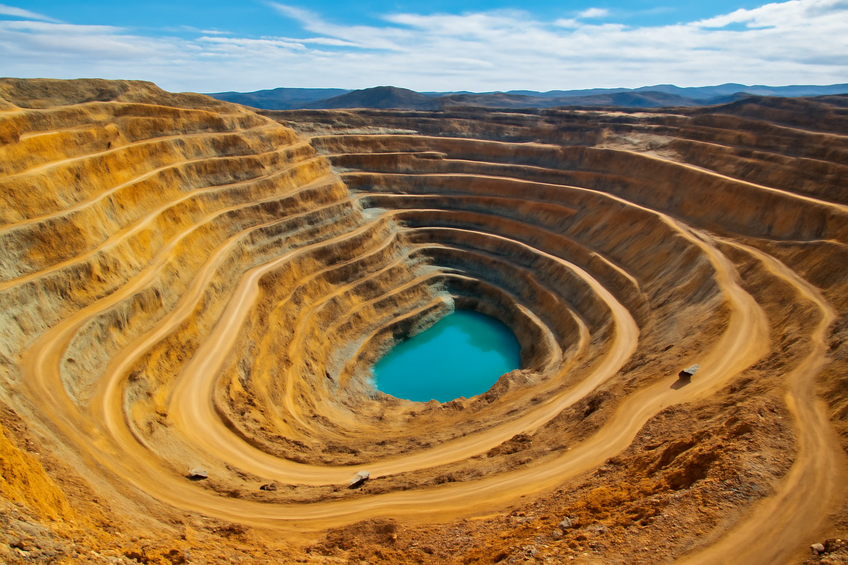
Introduction to the World’s Largest Gold Mining Operations
Gold has been one of the most sought-after precious metals throughout human history. Today, large-scale industrial gold mining operations extract millions of ounces of gold every year from some of the most remote corners of the world. These massive mines represent extraordinary feats of engineering, geology, and human ingenuity. In this post, we explore the top 10 biggest gold mines in the world, where they are located, how much gold they produce, and how they operate on a day-to-day basis.
1. Muruntau Gold Mine – Uzbekistan
The Muruntau Gold Mine in Uzbekistan is widely considered the largest open-pit gold mine in the world. Located in the Kyzylkum Desert, this colossal mine spans over 3.5 kilometers in length and 3 kilometers in width. It is operated by Navoi Mining and Metallurgy Combinat (NMMC), a state-owned enterprise.
How It Operates
Muruntau uses a combination of open-pit mining and heap leaching techniques to extract gold from low-grade ore. Giant excavators and haul trucks move hundreds of thousands of tons of material daily. The mine produces approximately 2 million ounces of gold per year, making it one of the most productive gold mines on the planet.
2. Grasberg Mine – Indonesia
Located in the Sudirman Mountains of Papua, Indonesia, the Grasberg Mine is operated by Freeport-McMoRan and PT Freeport Indonesia. It is one of the world’s largest gold and copper mines combined, sitting at an elevation of over 4,000 meters above sea level.
How It Operates
Grasberg has transitioned from open-pit to underground block caving mining, a method that allows miners to extract ore from deep below the surface efficiently. The mine employs thousands of workers and produces around 1.5 to 2 million ounces of gold annually, along with significant quantities of copper and silver.
3. Olimpiada Gold Mine – Russia
The Olimpiada Gold Mine is located in the Krasnoyarsk region of Siberia, Russia, and is owned by Polyus, Russia’s largest gold producer. It is one of the top-producing gold mines in the world by output.
How It Operates
Olimpiada uses open-pit mining along with bio-oxidation and carbon-in-leach (CIL) processing to extract gold from refractory ore. The mine produces over 1.5 million ounces of gold per year and holds some of the largest gold reserves globally, ensuring its operations for decades to come.
4. Carlin Trend – Nevada, USA
The Carlin Trend in northeastern Nevada, USA, is not a single mine but rather a collection of gold deposits stretching over 80 kilometers. It is operated primarily by Nevada Gold Mines, a joint venture between Barrick Gold and Newmont Corporation.
How It Operates
Operations along the Carlin Trend involve both open-pit and underground mining methods. The ore is processed through autoclaves and roasters due to its refractory nature. Collectively, the mines along the Carlin Trend produce approximately 2 million ounces of gold per year, making the region one of the most important gold-producing areas in the world.
5. Pueblo Viejo Mine – Dominican Republic
The Pueblo Viejo Mine is a joint venture between Barrick Gold (60%) and Newmont Corporation (40%), located in the San Juan de la Maguana province of the Dominican Republic. It is one of the most significant gold mines in the Caribbean region.
How It Operates
Pueblo Viejo processes refractory gold ore using pressure oxidation (POX) technology, which unlocks gold particles trapped within sulfide minerals. The mine produces approximately 800,000 to 1 million ounces of gold per year and has ongoing expansion projects that are expected to significantly increase its output.
6. Boddington Gold Mine – Australia
The Boddington Gold Mine, located in Western Australia, is operated by Newmont Corporation and is one of Australia’s largest gold-producing mines. It also produces significant amounts of copper as a byproduct.
How It Operates
Boddington is an open-pit mine that uses conventional drill-and-blast methods followed by milling and flotation to process ore. The mine has a processing capacity of approximately 35 million tonnes of ore per year and produces around 700,000 to 800,000 ounces of gold annually.
7. Kibali Gold Mine – Democratic Republic of Congo
The Kibali Gold Mine is located in the northeastern Democratic Republic of Congo (DRC) and is operated by Kibali Goldmines, a joint venture between Barrick Gold, AngloGold Ashanti, and Sokimo, a state-owned enterprise.
How It Operates
Kibali combines open-pit and underground mining operations. The mine has its own hydroelectric power stations, making it one of the most self-sufficient gold mines in Africa. It produces approximately 800,000 ounces of gold per year and is considered one of the most technologically advanced mines on the African continent.
8. Lihir Gold Mine – Papua New Guinea
The Lihir Gold Mine is situated on Lihir Island in Papua New Guinea and is operated by Newcrest Mining. What makes this mine unique is that it sits inside an active volcanic crater, requiring specialized geothermal management systems to keep operations safe.
How It Operates
Lihir uses open-pit mining and pressure oxidation to extract gold from ore that is naturally heated by volcanic activity. The mine employs thousands of local workers and produces approximately 700,000 to 900,000 ounces of gold annually. Ongoing expansion projects aim to push production beyond 1 million ounces per year.
9. Cortez Mine – Nevada, USA
The Cortez Mine, also located in Nevada and operated by Nevada Gold Mines (Barrick Gold), is one of the most prolific gold-producing mines in North America. It consists of both open-pit and underground operations.
How It Operates
Cortez processes both oxide and refractory ore through roasting and carbon-in-leach circuits. The mine has consistently produced over 1 million ounces of gold per year and is known for its high-grade ore deposits, particularly in its underground Pipeline and Cortez Hills sections.
10. Detour Lake Mine – Ontario, Canada
The Detour Lake Mine is located in northeastern Ontario, Canada, and is operated by Agnico Eagle Mines. It is one of the largest open-pit gold mines in Canada and holds one of the largest gold reserves in the country.
How It Operates
Detour Lake uses conventional open-pit mining techniques along with a large-scale carbon-in-pulp (CIP) processing facility. The mine produces approximately 700,000 ounces of gold per year, with plans to increase output through mine life extension and expansion of processing facilities.
How Do Large-Scale Gold Mines Operate?
Understanding how the world’s biggest gold mines operate requires knowledge of several key processes that are common across large mining operations:
Exploration and Geological Surveys
Before any mine is developed, extensive geological exploration takes place. Teams of geologists use drilling, seismic surveys, and geochemical analysis to identify gold deposits and estimate the size and grade of the ore body. This phase can take years or even decades before a mine becomes operational.
Mining Methods Used in Large Gold Mines
The two primary mining methods used in large gold mines are open-pit mining and underground mining. Open-pit mining is used when ore deposits are close to the surface and spread over a wide area. Underground mining, including methods like block caving and room-and-pillar mining, is used when ore deposits are located deep below the surface. Many large mines use a combination of both methods as deposits are progressively exhausted at shallower depths.
Ore Processing and Gold Extraction
Once ore is extracted, it undergoes several processing stages to separate gold from surrounding rock and minerals. Common processing methods include:
- Cyanide leaching (Carbon-in-Leach or Carbon-in-Pulp): Gold is dissolved using a cyanide solution and then adsorbed onto activated carbon for recovery.
- Pressure oxidation (POX): Used for refractory ores where gold is locked within sulfide minerals, requiring high-pressure and high-temperature oxidation to release it.
- Roasting: Refractory ore is heated to oxidize sulfide minerals before cyanide leaching.
- Heap leaching: Low-grade ore is stacked on lined pads and irrigated with cyanide solution to extract gold slowly over time.
- Flotation: Used to concentrate sulfide minerals containing gold before further processing.
Environmental and Social Responsibility
Modern large-scale gold mining operations face increasing pressure to minimize their environmental impact and contribute positively to local communities. Leading mining companies implement water recycling programs, land rehabilitation initiatives, and emissions reduction strategies to meet international environmental standards. Social responsibility programs focus on local employment, community development, and respect for indigenous rights.
Key Facts About Global Gold Production
Here are some important facts that put global gold mining into perspective:
- The world produces approximately 3,300 to 3,500 tonnes of gold per year from mining operations.
- China, Australia, Russia, Canada, and the United States are the top five gold-producing countries by annual output.
- Gold mining directly employs millions of people worldwide, with millions more employed in related industries.
- The average grade of gold ore mined globally is approximately 1 to 5 grams per tonne, meaning massive amounts of rock must be processed to produce relatively small quantities of gold.
- It is estimated that all the gold ever mined in human history would fit into approximately 3.5 Olympic-size swimming pools.
The Future of Gold Mining
The gold mining industry is evolving rapidly in response to technological advancements, environmental regulations, and shifting global demand. Key trends shaping the future of gold mining include:
Automation and Digitalization
Many of the world’s largest gold mines are increasingly adopting autonomous haul trucks, remote-controlled drilling equipment, and AI-driven ore sorting systems to improve efficiency, reduce costs, and enhance worker safety. Digital twins and real-time data analytics are becoming standard tools in mine management.
Deeper Mining Operations
As near-surface gold deposits become increasingly depleted, mining companies are investing in technologies to access deeper ore bodies that were previously uneconomical to mine. This includes advanced shaft sinking techniques and improved underground ventilation systems.
Sustainable and Responsible Mining
The concept of responsible gold mining is gaining traction, with initiatives like the World Gold Council’s Responsible Gold Mining Principles (RGMPs) setting standards for environmental stewardship, human rights, and ethical business practices across the industry.
Conclusion
The top 10 biggest gold mines in the world represent the pinnacle of human engineering and geological expertise. From the vast open pits of Muruntau in Uzbekistan to the volcanic landscapes of Lihir Island in Papua New Guinea, these mines produce the gold that underpins global financial systems, powers electronics, and adorns billions of people worldwide. Understanding how these mines operate gives us a deeper appreciation for the incredible effort and resources required to bring this precious metal from deep within the earth to our daily lives. As technology advances and environmental awareness grows, the gold mining industry will continue to evolve, finding new ways to extract this timeless resource responsibly and efficiently.


