





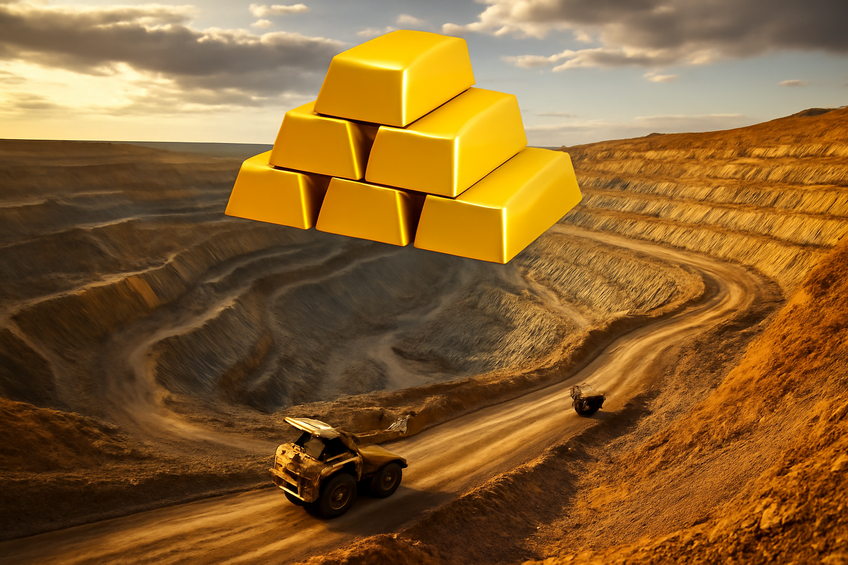
Gold has fascinated humanity for thousands of years, driving exploration, shaping economies, and fueling industries worldwide. Today, massive gold mining operations extract millions of ounces of this precious metal every year from the earth. Whether you are an investor, geology enthusiast, or simply curious about where your gold comes from, understanding the world’s largest gold mines gives you a fascinating look into global resource production. In this post, we break down the top 10 biggest gold mines in the world and reveal just how much gold they produce annually.
What Makes a Gold Mine “The Biggest”?
When ranking gold mines by size, experts typically consider two key factors: annual gold production (measured in ounces or metric tons) and total proven reserves. Some mines produce massive quantities each year but have limited reserves, while others sit on enormous gold deposits mined over decades. For this list, we primarily focus on annual production output combined with overall significance in the global gold market.
Top 10 Biggest Gold Mines in the World
1. Muruntau Gold Mine – Uzbekistan
The Muruntau Gold Mine in Uzbekistan is widely considered the largest open-pit gold mine in the world. Located in the Kyzylkum Desert, this massive operation is owned and operated by Navoi Mining and Metallurgy Combinat (NMMC). The mine produces approximately 2.6 million ounces (around 80 metric tons) of gold per year, making it a dominant force in global gold production. Discovered in 1958, Muruntau has been in continuous operation since 1967 and still holds some of the world’s largest proven gold reserves.
2. Carlin Trend – Nevada, USA
The Carlin Trend in Nevada is not a single mine but rather a series of gold deposits stretching about 40 miles. Operated largely by Nevada Gold Mines (a joint venture between Barrick Gold and Newmont), this region collectively produces over 2 million ounces of gold annually. The Carlin Trend has been one of the most productive gold-producing regions in North America since its discovery in the 1960s and remains a cornerstone of U.S. gold output.
3. Grasberg Mine – Indonesia
Located in the highlands of Papua, Indonesia, the Grasberg Mine is operated by Freeport-McMoRan and PT Indonesia Asahan Aluminium (Inalum). Although primarily known as a copper mine, Grasberg is also one of the world’s largest gold producers, yielding approximately 1.5 to 2 million ounces of gold per year. The mine sits at an altitude of over 4,000 meters and is transitioning from open-pit to underground operations, which is expected to sustain production for decades.
4. Olimpiada Gold Mine – Russia
The Olimpiada Gold Mine in the Krasnoyarsk region of Siberia, Russia, is operated by Polyus, Russia’s largest gold producer. This mine produces around 1.5 million ounces (approximately 47 metric tons) of gold annually. Olimpiada is known for its high-grade ore and vast reserves, cementing Russia’s position as one of the world’s top gold-producing nations. The mine has been in operation since 1996 and continues to expand its output year over year.
5. Pueblo Viejo Mine – Dominican Republic
The Pueblo Viejo Mine is a joint venture between Barrick Gold (60%) and Newmont (40%), located in the Sánchez Ramírez Province of the Dominican Republic. The mine produces around 800,000 to 1 million ounces of gold per year and is one of the most significant gold operations in the Caribbean and Latin America. Expansion projects are underway to extend the mine’s life well into the 2040s and significantly boost annual output.
6. Kibali Gold Mine – Democratic Republic of Congo
The Kibali Gold Mine in the northeastern Democratic Republic of Congo is operated by Barrick Gold in partnership with AngloGold Ashanti and Société Minière de Kilo-Moto (SOKIMO). It is one of Africa’s largest gold mines, producing approximately 750,000 to 800,000 ounces of gold per year. Kibali is a fully integrated operation combining open-pit and underground mining with its own hydroelectric power supply, making it one of the most self-sufficient mines in Africa.
7. Boddington Gold Mine – Australia
Located in Western Australia, the Boddington Gold Mine is Australia’s largest gold mine and is fully owned by Newmont Corporation. It produces approximately 700,000 to 800,000 ounces of gold per year. In addition to gold, Boddington also produces significant quantities of copper as a byproduct. The mine features a large open-pit operation and a state-of-the-art processing facility, processing millions of tonnes of ore annually.
8. Cortez Mine – Nevada, USA
Also located within Nevada’s famous gold belt, the Cortez Mine is operated by Nevada Gold Mines and produces around 700,000 to 900,000 ounces of gold per year. Cortez operates both open-pit and underground sections, including the highly productive Pipeline and Cortez Hills deposits. The mine benefits from Nevada’s favorable mining laws and infrastructure, making it one of the most cost-efficient gold operations in North America.
9. Lihir Gold Mine – Papua New Guinea
The Lihir Gold Mine sits on an active volcanic island off the coast of Papua New Guinea and is operated by Newcrest Mining. It is one of the largest gold deposits in the world by reserve size, with annual production of approximately 700,000 to 900,000 ounces of gold. The geothermal activity of the island creates unique mining challenges, but the rich ore body makes it one of the most important gold assets in the Asia-Pacific region.
10. Ahafo Mine – Ghana
The Ahafo Mine in Ghana, operated by Newmont Corporation, is one of the most significant gold mines in West Africa. It produces approximately 500,000 to 700,000 ounces of gold per year. Ghana is one of Africa’s top gold-producing countries, and Ahafo plays a central role in that output. Newmont has invested heavily in expanding the Ahafo North satellite deposit, which is expected to significantly increase production in the coming years.
Global Gold Production Overview
Together, these ten mines contribute a significant portion of the world’s total annual gold supply. Global gold mine production typically ranges between 3,000 and 3,500 metric tons per year, with countries like China, Russia, Australia, the United States, and Canada leading overall national output. The mines listed above represent the pinnacle of gold extraction technology, scale, and productivity.
Which Countries Have the Most Gold Mines?
While individual mines grab headlines, it’s worth noting which countries dominate gold mining at a national level:
- China – Consistently the world’s top gold-producing country, though no single Chinese mine ranks among the global giants.
- Russia – Home to massive operations like Olimpiada and Polyus’s expanding portfolio.
- Australia – Boasts large, long-life deposits including Boddington and SuperPit.
- United States – Nevada’s gold belt remains one of the most productive regions globally.
- Ghana and South Africa – African powerhouses in gold production with extensive mining histories.
Environmental and Social Impact of Large-Scale Gold Mining
While these mines generate enormous economic value, they also raise important environmental and social considerations. Large open-pit operations reshape entire landscapes, and the use of chemicals like cyanide in gold processing poses risks to surrounding ecosystems and water supplies. Responsible mining companies are increasingly adopting sustainable mining practices, investing in land reclamation, reducing carbon footprints, and supporting local communities through employment and infrastructure development.
Organizations such as the World Gold Council and the International Council on Mining and Metals (ICMM) set guidelines to encourage responsible mining practices across the industry. Consumers and investors are also driving demand for ethically sourced gold, putting additional pressure on mining companies to operate transparently and responsibly.
The Future of Gold Mining
The gold mining industry is evolving rapidly. As surface deposits become exhausted, companies are investing in deeper underground operations, advanced ore processing technologies, and artificial intelligence-driven exploration tools. Mines like Grasberg and Lihir are already transitioning to underground operations to access deeper ore bodies. Meanwhile, countries in Africa and Central Asia are emerging as the next frontier for major gold discoveries.
Additionally, the rise of gold recycling from electronics and jewelry is supplementing newly mined gold, helping to meet global demand without necessarily increasing the environmental footprint of mining. Analysts predict that gold demand will remain strong, driven by investment demand, central bank purchases, and industrial applications in electronics and medicine.
Frequently Asked Questions About the World’s Biggest Gold Mines
What is the largest gold mine in the world?
The Muruntau Gold Mine in Uzbekistan is generally recognized as the world’s largest gold mine by annual production and open-pit size, producing approximately 2.6 million ounces of gold per year.
Which country produces the most gold in the world?
China has been the world’s largest gold-producing country for many years, followed by Russia, Australia, Canada, and the United States.
How much gold is left in the world to mine?
Estimates suggest there are approximately 50,000 metric tons of gold reserves remaining underground that can be economically extracted with current technology. Total gold ever mined throughout history is estimated at around 190,000 metric tons.
Who owns the biggest gold mines?
The world’s largest gold mines are owned by major corporations including Barrick Gold, Newmont Corporation, Polyus, Newcrest Mining, AngloGold Ashanti, and Freeport-McMoRan, often in joint ventures with local governments or state-owned entities.
Conclusion
The world’s biggest gold mines are marvels of modern engineering and industrial scale, each producing hundreds of thousands to millions of ounces of gold every year. From the sun-scorched deserts of Uzbekistan to the volcanic islands of Papua New Guinea, these operations define the global gold supply chain. Whether you are tracking gold prices, studying geology, or researching investment opportunities in mining stocks, understanding these major operations gives you a crucial edge. As demand for gold continues to grow and surface deposits become scarcer, these mines — and the technologies that power them — will only become more important in the decades to come.


